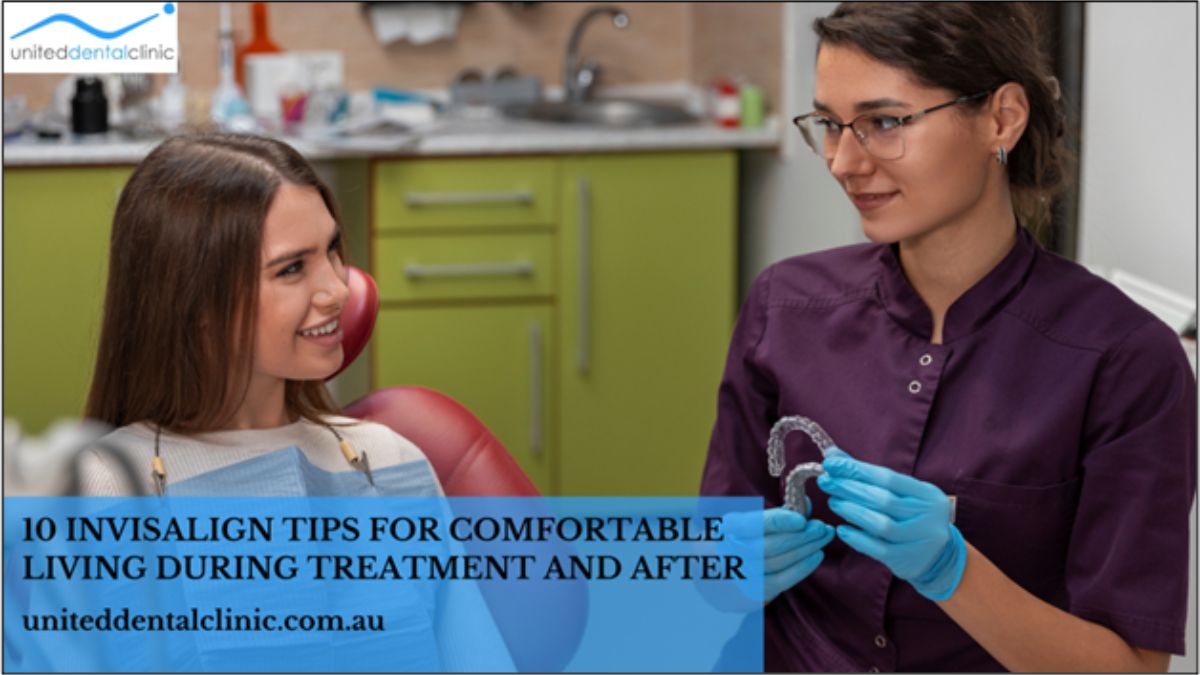
Will Invisalign Hurt? Not really. Maybe a little. Most people feel pressure when they start new aligners: kind of like mild soreness after a workout. It’s annoying for a day or two, then gone.
The trick is knowing what to expect and having a few simple strategies ready when things feel uncomfortable. A family dentist in Narrabeen will say comfort comes down to habits. Wear aligners as directed, keep them clean, and fix problems early. That’s basically it.
These ten tips cover what actually matters during Invisalign treatment in Narrabeen, without the fluff.
10 Tips To Make Invisalign Treatment in Narrabeen Easy & Successful
1. Wear Them 20-22 Hours Daily
This isn’t a suggestion. It’s how the treatment works. Teeth need constant pressure to move. Skip a few hours, and they start drifting back. Put aligners back in, and there’s extra pressure to correct that backward movement. It’s uncomfortable and extends treatment time unnecessarily.
Invisalign adaptation tips start with building this habit early:
- Aligners out for meals and brushing
- Everything else happens with them in
- No exceptions for “just an hour.”
Invisalign treatment in Narrabeen is designed around this schedule. Follow it, and things stay on track. Ignore it and expect delays.
2. New Aligners = Pressure for 48 Hours
Every time. The first night with a new set feels tight. Teeth might be tender when chewing the next day. This means they’re moving, which is the point.
Pressure isn’t the same as pain. One feels like tightness that fades, the other feels sharp and gets worse.
Quick Invisalign Comfort Tips for Relief
- Switch aligners before bed (sleep through the worst of it)
- Rinse with cold water when soreness hits
- Take ibuprofen if needed
These Invisalign pain relief tips won’t eliminate the sensation completely, but they make new aligners manageable. By day three, that tightness fades to nothing. Comfortable Invisalign treatment doesn’t mean zero sensation—just sensation that doesn’t disrupt daily life.
3. Handle Sore Spots Immediately
Aligner edges sometimes rub. Cheeks, gums, tongue—wherever plastic meets soft tissue.
Dealing with Invisalign sore spots means acting fast:
| Problem | Solution |
| Slight rubbing | Use orthodontic wax |
| Still irritated after 3 days | Call the dentist to smooth the edge |
| Bleeding or raw spot | Remove aligners, contact the dentist the same day |
Don’t try trimming aligners with scissors. That ruins the fit and creates bigger problems. A family dentist in Narrabeen can fix rough edges in minutes without messing up the treatment plan.
4. Clean Aligners Daily
Cloudy, smelly aligners are gross. Nobody wants that. The routine is simple:
- Rinse after removal
- Brush gently with a soft toothbrush and mild soap
- Skip toothpaste (too abrasive)
- Never use hot water (warps plastic)
Invisalign’s ease of use improves when aligners stay clear. Clean aligners are also less noticeable, which is the whole point of choosing Invisalign over metal braces.
Oral hygiene matters more during Invisalign treatment in Narrabeen because bacteria get trapped between aligners and teeth. Brush properly after meals or risk cavities.
5. Eating Takes Slight Adjustment
Remove aligners. Eat. Rinse. Put them back in.
That’s it. No banned foods, no restrictions—just a different routine than usual.
Real Scenarios
- Quick coffee break: Water is fine with aligners in. Coffee means taking them out.
- Lunch meetings: Pop aligners in a case (not a napkin—they’ll end up in the trash), eat normally, rinse if possible, put them back in.
- Snacking all day: This gets tricky. Constant snacking means constant removal, which makes hitting the 20-hour minimum harder. Some people snack less during treatment and don’t mind. Others find it annoying.
Living with Invisalign aligners requires mild planning. Carry a case. Keep a travel toothbrush handy. Done.
6. Invisalign Works With Busy Lives
Work presentations? Fine. Gym? No problem. Social events? Easy.
The secret is preparation, not some complex system.
What to carry:
- Small aligner case
- Travel toothbrush (optional but helpful)
That’s it. Invisalign’s ease of use is why adults choose it: invisible appearance, no food limits, and fits into professional life without announcing “orthodontic treatment” to everyone.
A family dentist in Narrabeen can address specific concerns about sports, public speaking, or other activities during consultations. Most things work fine after a brief adjustment period.
7. Drink More Water
Aligners reduce saliva slightly. Not dramatically, just enough to cause dry mouth sometimes.
Dry mouth feels uncomfortable and increases cavity risk because saliva naturally protects teeth.
Fix:
- Sip water throughout the day
- Skip sugary drinks with aligners in
- Sugar-free gum (when aligners are out) helps
Staying hydrated supports comfortable Invisalign treatment and prevents that sticky, dry feeling.
8. Don’t Skip Check-Ups
Progress appointments aren’t optional.
A family dentist in Narrabeen monitors movement, checks for issues, and adjusts treatment if something’s off. These visits take 15-20 minutes and happen every 6-10 weeks.
What happens:
- Quick fit check
- Pick up the next aligner sets
- Address any problems
Skip appointments, and small issues become big ones. Regular visits during Invisalign treatment in Narrabeen keep everything running smoothly.
9. Retainers Are Permanent
Finishing the last aligner isn’t the end. Teeth will drift back without retainers. Always. Not immediately, but it happens over months and years.
Typical schedule:
- First 6 months: Full-time wear (except meals)
- Months 6-12: Nights only
- After year one: Varies (some need nightly wear forever, others a few nights weekly)
Invisalign adaptation tips include accepting this upfront. Retention isn’t optional, but nighttime wear is manageable. Skip retainers and watch teeth undo months of treatment.
10. The First Week Is Weird
Aligners feel strange at first. Speech sounds off. There’s constant awareness of plastic in the mouth. Then the brain adjusts.
By day five or six, aligners feel normal. Speech returns to baseline. The routine becomes automatic. Invisalign treatment in Narrabeen has a learning curve, but it’s short. Push through the first week, and everything gets easier.
FAQ
Does it actually hurt?
Pressure, not pain. The first 24-48 hours with new aligners feel tight, especially early in treatment. Invisalign pain relief tips, like switching at bedtime, help. Sharp pain that worsens needs professional attention.
How long until they feel normal?
About a week. Each new aligner creates pressure for 1-2 days, then fades. Invisalign comfort tips speed things up, but won’t eliminate the initial learning period.
What if they keep rubbing?
Use orthodontic wax for immediate relief. If irritation persists after 2-3 days, consider having the edge smoothed professionally. Dealing with Invisalign sore spots means acting early before they get raw.
Can life continue normally?
Yes. Work, exercise, travel—all doable. Living with Invisalign aligners means removing them for meals and brushing. That’s the main change. Most people adapt within two weeks.
Final Thoughts
Invisalign comfort isn’t automatic. Living with Invisalign aligners requires wearing them consistently, keeping them clean, addressing any issues that arise, and attending scheduled appointments.
Those basics handle most issues. A family dentist in Narrabeen handles the rest with personalised adjustments for individual situations.
Invisalign treatment in Narrabeen fits into real life without major disruption. The first week feels awkward, then becomes routine. New aligners create pressure, but it’s manageable. Results make the temporary inconvenience worthwhile.
Perfect comfort from day one? No. Manageable discomfort that improves quickly? Yes.